How an FM-200 system puts out a fire
Six short scenarios, each with one quick question. Watch it play, or step through at your own pace.
Your browser cannot show the 3D room. The steps below still explain every stage.
Drag to look around. Tap a part for details.
The server room
FM-200 puts fires out without water or residue.
Used where water would do more harm than the fire: servers, control rooms, archives.
Drag to look around. Tap a part for details.
Automatic
- The server room — FM-200 puts fires out without water or residue. Used where water would do more harm than the fire: servers, control rooms, archives.
- Two detection zones — Gas needs both zones to agree. Zone 1 and zone 2 heads alternate, each on its own cable. One faulty head can't empty the cylinders.
- Outside the door — Cylinders and panel stay out of the room. Nobody has to enter a burning room to check, reset or release. Tap any part to learn more.
- A loose joint overheats — Smoke rises to the ceiling detectors. Most electrical fires start at a bad connection inside a rack.
- Zone 1 sees smoke — Its LED turns red; the panel is told. The detector never decides. The panel does, and it now waits for zone 2.
- Bell: first alarm — Staff alerted. No gas yet. At night nobody answers, so the system carries on alone.
- Zone 2 confirms — Two zones agree: the fire is real. The panel moves to the second stage and starts the release sequence.
- Sounder and flasher — Inside: get out. Outside: keep out. A different tone from the bell, so everyone knows gas is coming.
- The room is sealed — Air conditioning stops, dampers and door close. Every opening must be shut before the gas arrives, or the agent leaks out before the fire is out.
- Countdown — Time to leave (sped up here). Usually 30 seconds, set on the panel. The hold-off button inside the door can pause it.
- Panel fires the actuator — The main cylinder's valve opens. The reserve stays full. The release line is monitored, so a cut cable shows as a fault before it is needed.
- Agent flows to the room — Gauges drop; the pressure switch confirms flow. Nitrogen at 25 bar pushes the liquid FM-200 through the pipe into the room.
- Discharge: fire out — Done in 10 seconds or less. At 7–8.5 % the agent absorbs heat and stops the flame. "Gas released" lights outside the door.
- Wait, ventilate, refill — Keep the door shut about 10 minutes. Then ventilate, find the cause and reset. Key the panel to RESERVE while the main cylinder is refilled.
Small fire
- A small fire starts — A cable smoulders in one rack. Still small: a few flames and a thin line of smoke.
- Zone 1: the bell rings — First stage. Time to check. The panel outside shows which zone. Go to the panel, not into the room.
- Key to MANUAL ONLY — Automatic release is blocked while you are inside. Always switch before going in on an alarm, or for maintenance. Detection and alarms keep working.
- Take the extinguisher — A 2 kg CO₂ unit stands by the door. Only if trained, the fire is small and your way out stays behind you.
- Put it out — Pull, aim at the base, squeeze, sweep. CO₂ is safe on live electrics and leaves no residue. Cut the rack's power if you can.
- Smoke reaches zone 2 — Sounder on, but no countdown. MANUAL ONLY blocks automatic release. That is why you turned the key first.
- Silence and reset — At the panel, outside the room. Fire out, alarms silenced, zones cleared. Log the event.
- Key back to MANUAL & AUTO — The step people forget. A room left in MANUAL ONLY is not protected tonight. Recharge the extinguisher too.
False alarm
- Dust, not fire — Building work near one detector. Fine dust or steam can look like smoke to an optical detector.
- One zone: bell only — Nothing is released. Without a second zone the panel stays at the first stage.
- Check the room — No flame, no heat, no burning smell. Key to MANUAL ONLY first, then look at every rack and the floor void.
- Silence and reset — Then turn the key back to MANUAL & AUTO. Clean or replace that detector. Cover detectors during building work, and uncover them when it ends.
- Why two zones — One bad head can't empty the cylinders. A false discharge costs a refill and downtime. Log every false alarm.
Hold-off
- Working inside, system in AUTO — A normally occupied room stays in AUTO. FM-200 at design concentration is safe for people, so routine work stays in AUTO. Entering on an alarm or for maintenance needs MANUAL ONLY.
- A small fire starts — A cable smoulders in the next rack. The smoke reaches heads of both zones within seconds.
- Zone 1: the bell rings — First stage. He heads for the exit. On any alarm, people inside make for the door. The hold-off button is right there, by the exit.
- Zone 2: countdown starts — Gas in 30 seconds. He is still inside. The fire is still small. Rather than lose the gas, he holds at the door and calls for MANUAL ONLY.
- Press and hold — Held: paused. Let go: it carries on. NFPA 2001: hold-off works only under constant pressure and cannot leave the system stopped on its own.
- Key to MANUAL ONLY — At the panel, while he keeps holding. Automatic release is now blocked, so he can let go. The manual release button still works.
- Then put it out — Pull, aim, squeeze, sweep. Only now, in MANUAL ONLY, is it safe to fight the fire with a portable extinguisher.
- Silence and reset — At the panel, once the smoke clears. The detectors must be clear, or the panel will not reset. No gas released.
- Back to AUTO — Key back to AUTO once the room is clear. Hold-off is the safety net. MANUAL ONLY is what makes it safe to stay or go in.
Manual release
- Working on a rack — System in AUTO, all clear. Routine work in a normally occupied room, so the key stays on AUTO.
- Fire right next to him — No detector has seen it yet. People often see a fire first. Don't wait for the detectors.
- Get out first — Too big for an extinguisher. Leave and close the door. The panel outside has the release button.
- Press manual release — On the panel: pull down the flap, press both buttons. It skips the detectors: sounder, HVAC off and countdown start at once.
- Countdown still runs — A last chance for anyone missed. Count heads at the door before the gas arrives.
- Panel fires the actuator — The main cylinder's valve opens. The reserve stays full. The release line is monitored, so a cut cable shows as a fault before it is needed.
- Discharge: fire out — Done in 10 seconds or less. At 7–8.5 % the agent absorbs heat and stops the flame. "Gas released" lights outside the door.
- Report and restore — Tell the fire brigade gas was released. Wait, ventilate, refill and reset before anyone works inside again.
Power cut
- Mains power fails — The panel runs on its battery. The fault lamp shows mains is lost. Everything else keeps working.
- A fire starts — Detection works on battery too. A fault that trips the supply can also start a fire.
- Both zones confirm — Bell, sounder, countdown, on battery. The sequence runs exactly as on mains.
- Countdown — The room is empty. At zero the panel signals the actuator.
- Release line fault — Countdown ends, valve stays shut. A damaged cable or failed actuator. The panel shows a release fault.
- Lever at the cylinder — Pin out, then push the lever. Cylinders are outside, so it's done from the corridor. Room must be empty: no delay.
- Discharge: fire out — Done in 10 seconds or less. At 7–8.5 % the agent absorbs heat and stops the flame. "Gas released" lights outside the door.
- Repair and test — Fix the line, refit the pin. Restore mains, replace an old battery and test the release line at every service.
For learning only. Delays, hold and abort behaviour, concentrations and cylinder sizes depend on each room and panel setting, and are set by a design to NFPA 2001 / ISO 14520 / EN 12094.
The equipment in this room
Every part of the course is a Context Plus product we supply, install and maintain.
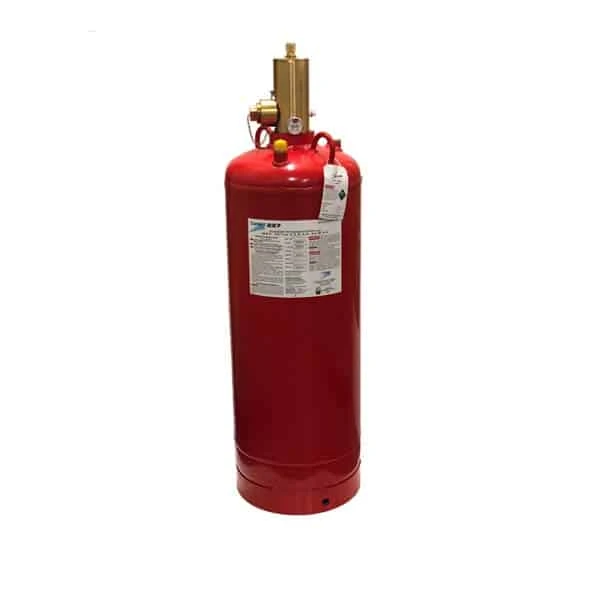 CP90150-E
FM-200 cylinder
One cylinder protects the room; the second is a connected reserve, fired from the panel's MAIN / RESERVE key.
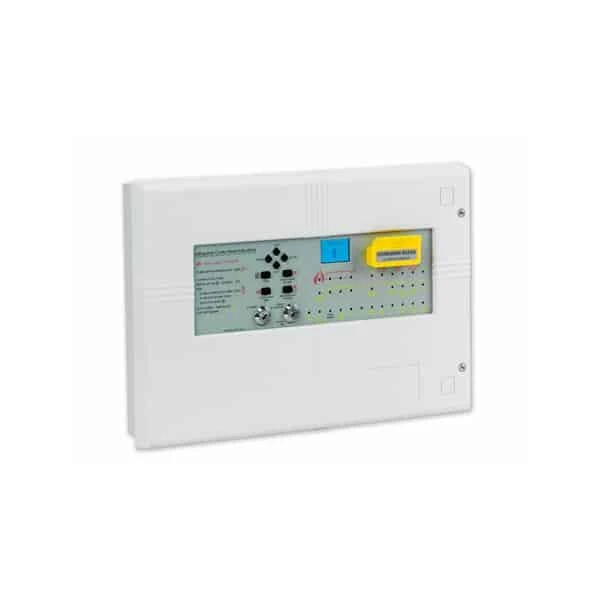 EP203/CON
EP203 releasing panel
Reads the zones, runs the alarm stages and the release. Its keys set AUTO / MANUAL ONLY and MAIN / RESERVE.
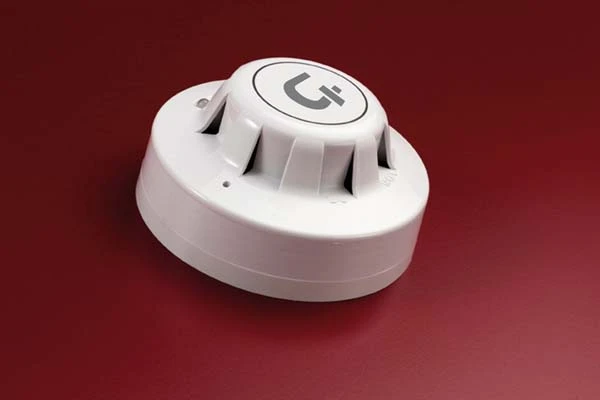 55000-316IMC
Optical smoke detector
Sees smoke early. Two zones must agree before an automatic release.
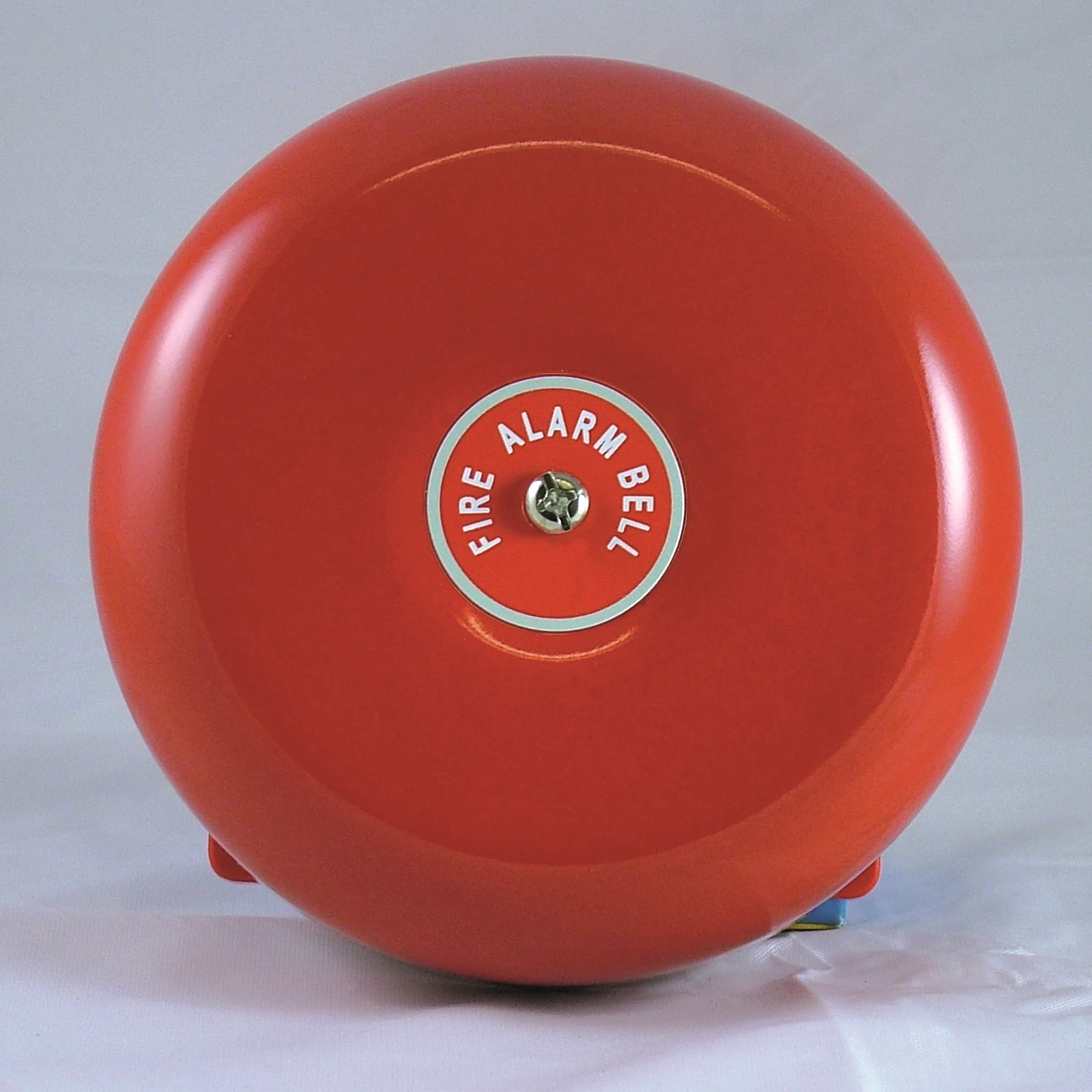 CP250BR
Fire alarm bell
First-stage alarm: staff alerted.
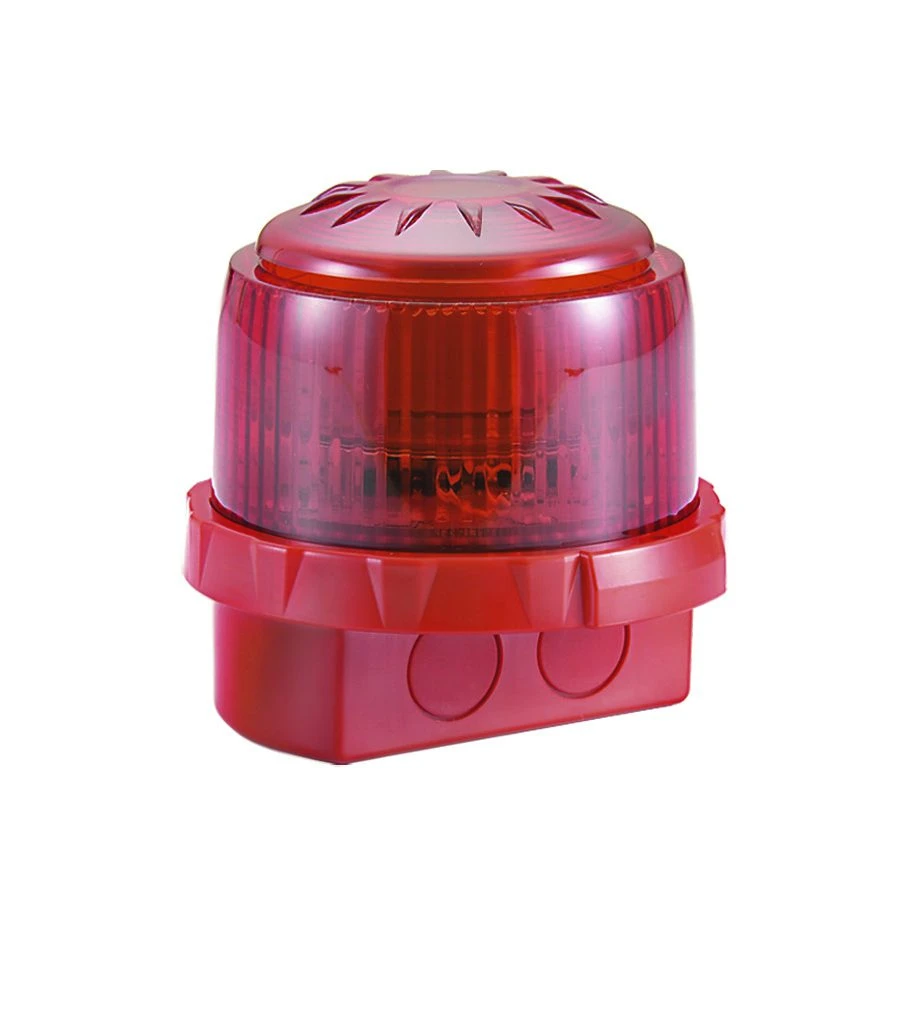 CP450SER
Sounder and beacon
Second stage: leave the room now.
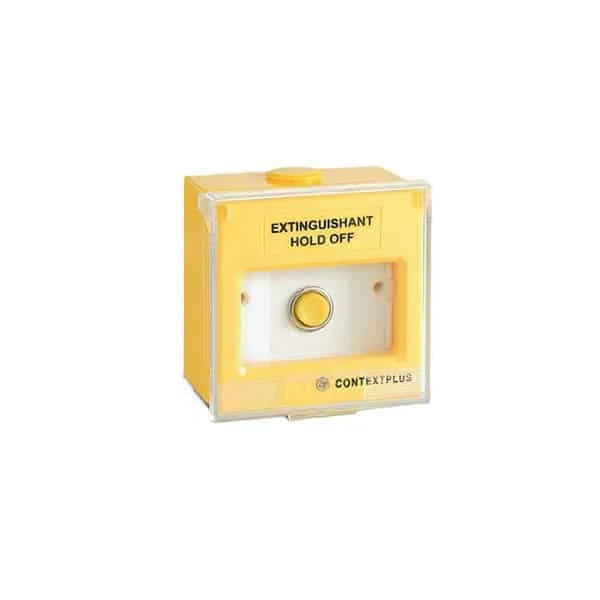 CP200HLB
Hold-off button
Pauses the countdown only while it is held down.
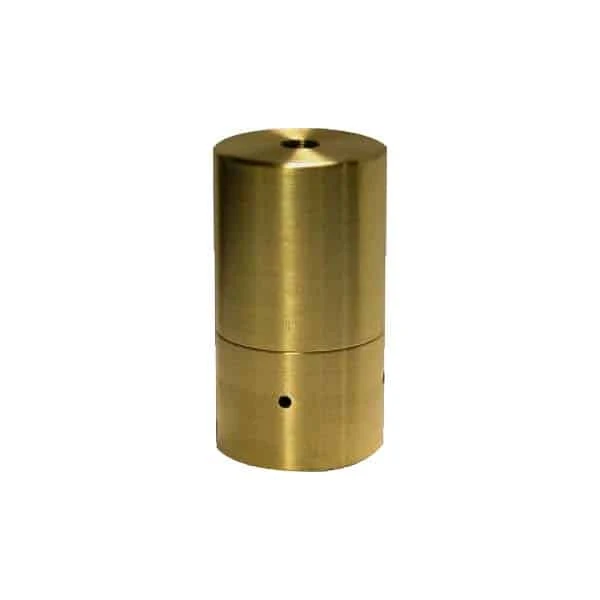 CP61041
Piston actuator
Opens the cylinder valve. Its manual lever is the last resort if the electrical release fails.
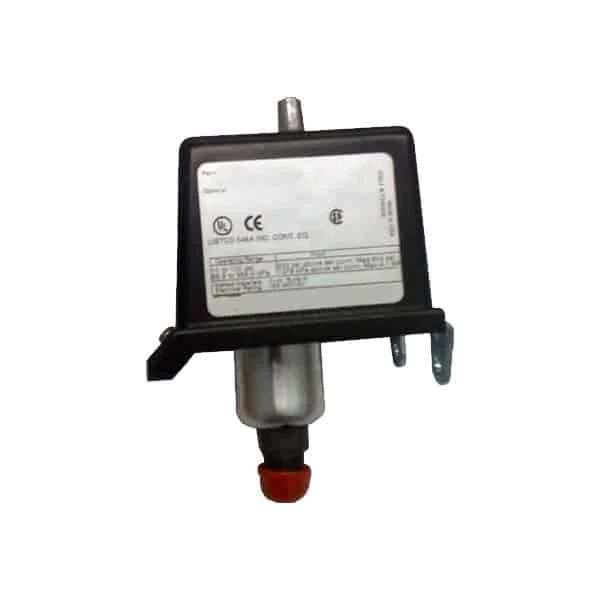 CP50339
Pressure switch
Confirms the gas really flowed and lights "gas released".
How an FM-200 clean agent system works
An FM-200 system is a clean agent fire suppression system. Smoke detectors in two zones confirm the fire, the control panel sounds the alarms, seals the room and runs a short countdown, then releases HFC-227ea gas from cylinders. In 10 seconds or less the gas reaches about 7–8.5 % and puts the fire out by absorbing its heat, with no water and no residue.
Detection
Ceiling smoke detectors are wired in two separate zones. When the first zone sees smoke, the panel rings the bell and warns staff. No gas is ever released on one detector alone.
Confirmation
When a detector in the second zone also sees smoke, the panel treats the fire as real and starts the release sequence. This is called coincidence detection. The manual release button on the panel, outside the room, can start the same sequence.
Warning and sealing
A sounder and a flashing beacon tell everyone to leave and to keep out. The panel stops the air conditioning and closes the dampers and the door, so the gas stays in the room.
Countdown
A pre-discharge delay, usually 30 seconds, gives people time to get out. The hold-off button by the exit pauses it only while it is pressed, so it is held until the panel is keyed to MANUAL ONLY. With the key switch on MANUAL ONLY, automatic release is blocked while people work inside.
Release
At zero the panel fires the actuator on the main cylinder; the connected reserve cylinder stays full. Nitrogen at 25 bar pushes the liquid agent through the pipework to the nozzles, where it turns into gas.
Extinguishing and hold time
The discharge is over in 10 seconds or less. At its design concentration the agent absorbs heat from the flame and stops combustion. A pressure switch lights "gas released" at the door, and the sealed room keeps the concentration for about 10 minutes.
After the fire
Keep the door shut until the hold time ends. Then ventilate, find the cause and reset the panel. The panel's MAIN / RESERVE key puts the reserve cylinder on duty while the main one is refilled. Servers and documents are left clean and dry.
Questions from the 3D scenarios
Each answer is played out in the matching scenario above.
No, only the bell rings. One zone in alarm only rings the bell. An automatic release needs a second zone to confirm, or someone to press the manual release.
Turn the key to MANUAL ONLY. MANUAL ONLY blocks an automatic release while you are inside. The alarms keep working.
Only one zone detected smoke. An automatic release needs both zones in alarm. One zone gives a first-stage alarm only.
The countdown resumes and the gas is released. Hold-off works only while it is pressed and can never leave the system stopped on its own. Keep holding until MANUAL ONLY is keyed.
On the panel, outside the door. The panel is outside the exit, so you release the gas without staying in the room. A separate release point is added only at other exits.
Make sure the room is empty. The lever bypasses the panel and its countdown. The gas is released immediately.
Choosing an agent, cost or maintenance? See the fire suppression FAQ
Protect your server room
Send us the room size and we will size the cylinders and the detection for you, and train your team on site.
Request a quote Fire suppression services