S.P.S — Product

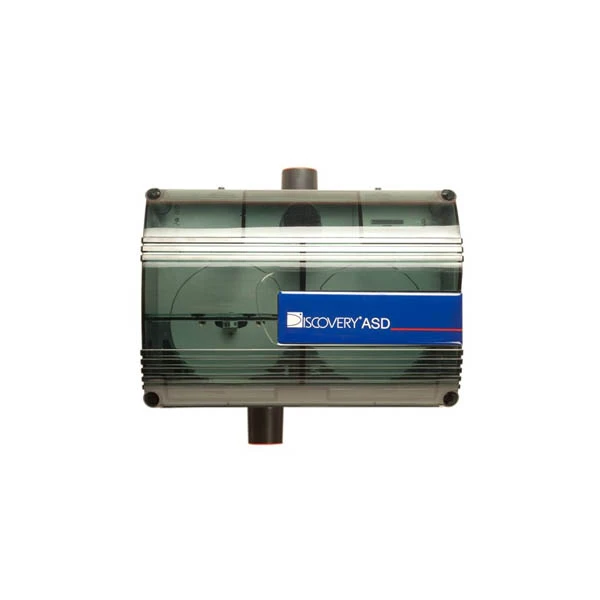
Single Aspirating Smoke Detector ASD, Discovery loop powered Air Sampling unit, Single optical detector, VDS Approved

REF. SPS-0409 Official equipment

Includes aspirating fan, can be installed up to 50m away from the sampling point, IP65 rated enclosure The Discovery Aspirating Smoke Detector (ASD) o

Ask on WhatsApp
  • Genuine, fully-supported equipment
  • Technical guidance from our engineers
  • Add several products, request one quote
Overview

Product Details

The Single Aspirating Smoke Detector ASD, Discovery loop powered Air Sampling unit, Single optical detector, VDS Approved is part of the Analogue Addressable Aspirating Smoke Detectors range from Context Plus, supplied and supported by SPS. Includes aspirating fan, can be installed up to 50m away from the sampling point, IP65 rated enclosure The Discovery Aspirating Smoke Detector (ASD) of Context Plus is a point based professional air-sampling unit, designed to complement analogue addressable system technology. It combines standard field serviceable smoke detectors with a stand-alone air sampling solution to provide protection of difficult to access, environmentally demanding, aesthetic or architecturally restricted areas.

Specifications & features

  • Air is drawn from the protected area through one or two perforated 25mm pipes per channel.
  • A powerful fan together with sophisticated air-flow monitoring and control circuitry ensures that transport delays are minimised and air-flow is kept within working limits.
  • System status and flow control is continuously displayed (per channel), with on-board fault relays allowing remote fault monitoring of each channel.
  • Power management ensures that operating current is kept to a minimum, allowing superior performance and optimisation of external power supply and standby battery resources.
  • EN 54-20 approved Available as a single (ASD-1) sampling unit or dual (ASD-2) sampling unit Addressable monitoring of fail-safe fault relays.
  • On-board fault relays allowing remote fault monitoring of each channel.
  • Drift compensation further reduces the likelihood of false alarms caused by a build-up of dust in the sensing chamber.